Amazon Braket Hybrid Jobs workflow questions 2026
A 2026 Q&A for Braket device choice, Hybrid Jobs, Rigetti Cepheus access, Python 3.12 environments, error mitigation, and run evidence.
3 chapters
8 focused sections
6 sources
primary links
3 signals
operating context
729 words
reviewed analysis
Amazon Braket Hybrid Jobs workflow questions in 2026 focus on device choice, managed environments, simulator-to-QPU movement, mitigation, and evidence. Teams want to know when Braket is the right execution layer and how a QFlow evidence packet should preserve the task definition, device, container or notebook context, job ARN, shots, cost assumptions, outputs, and reviewer notes.

108
Cepheus qubits
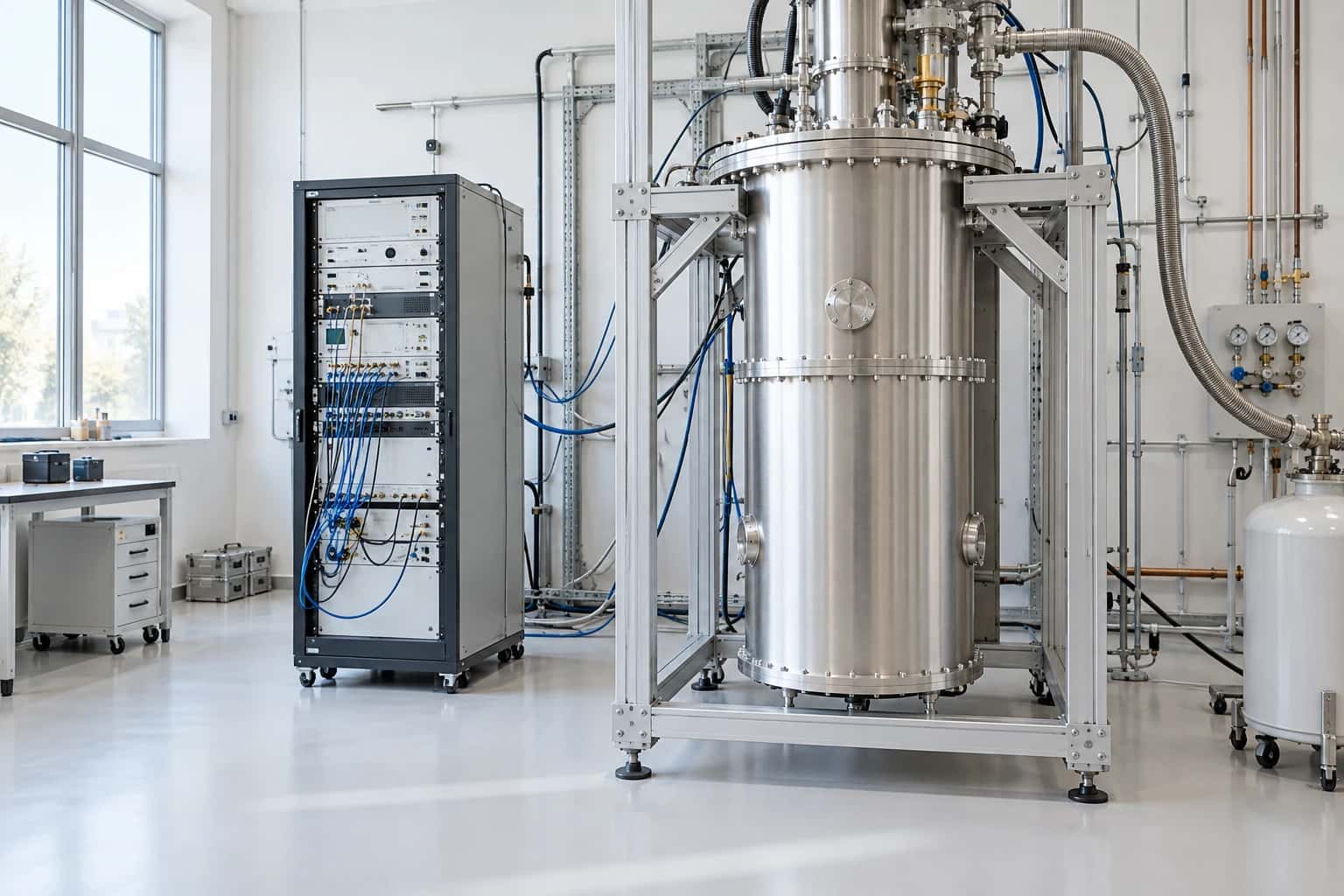
Rigetti Cepheus-1-108Q is a 2026 Braket access signal
3
workflow layers
device, job environment, and result evidence
1
mitigation note
Mitiq or other mitigation must remain tied to assumptions
What is an Amazon Braket Hybrid Jobs workflow?
What is an Amazon Braket Hybrid Jobs workflow? It is a managed route for hybrid quantum-classical experiments where code, environment, device access, job state, and results need to stay together. The user intent behind this search is usually practical: how do I move from a notebook to a repeatable job?
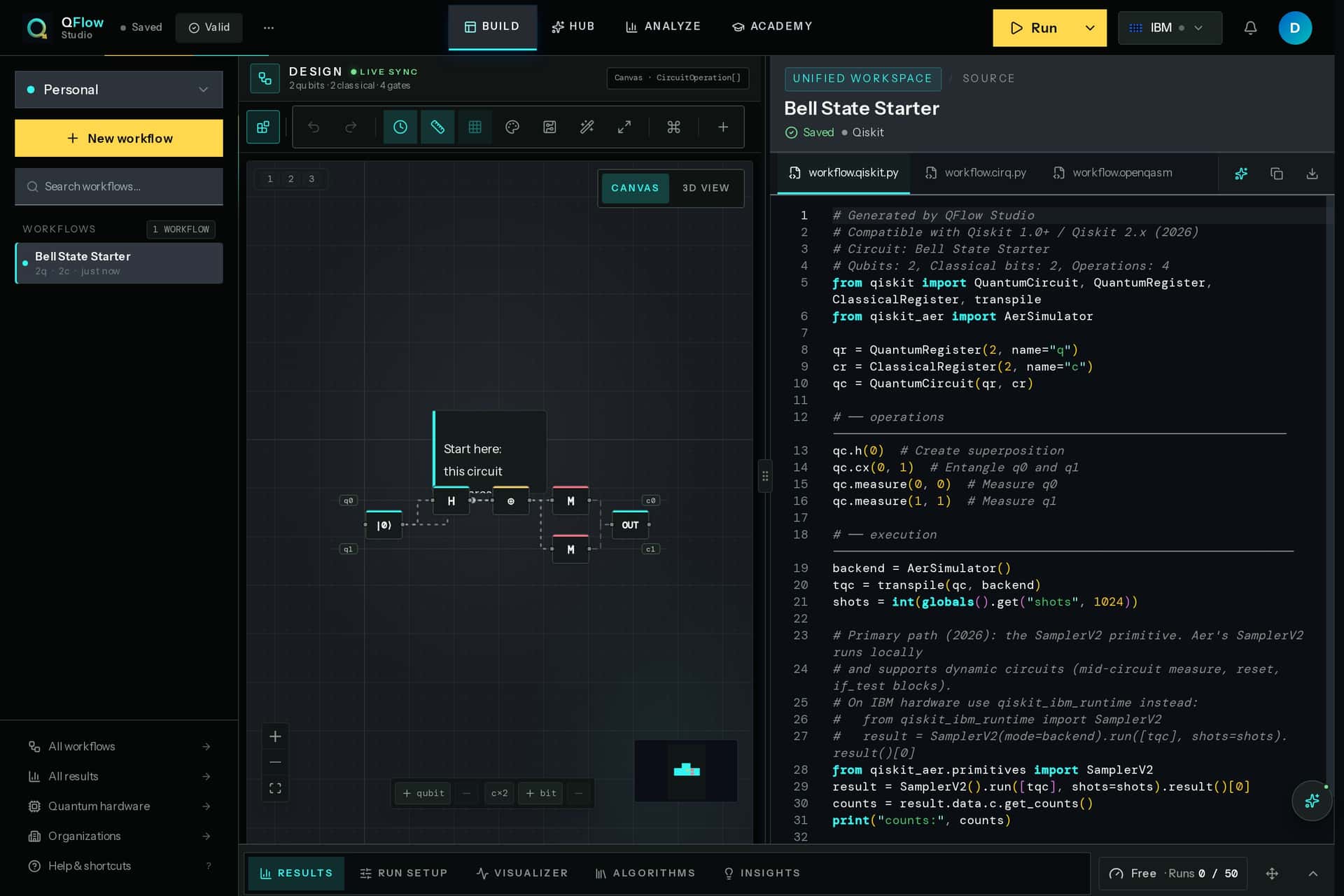
A QFlow guide should answer with a checklist: objective, device or simulator, job container or notebook environment, input parameters, shots, job ARN, output artifacts, cost boundary, and review decision.
Device choice is a workflow decision
Braket exposes multiple hardware and simulator options, and the 2026 Cepheus update adds another reason to keep device choice explicit. Teams need to know why a job targeted one device rather than another, not only that it ran.
That makes the evidence layer valuable. If a result changes after switching backend, the reviewer needs the old and new route assumptions next to the output.
Python and environment versions matter
The Python 3.12 documentation signal is more than a troubleshooting note. Hybrid quantum jobs depend on SDK versions, dependency lockfiles, container behavior, and provider constraints. A small environment change can create a different artifact.
QFlow should make environment context a normal part of the run record so Braket users can reproduce failures as well as successes.
Error mitigation belongs in the run packet
Braket plus Mitiq content is valuable because it turns error mitigation into an applied workflow. The article should explain that mitigation is not magic; it changes assumptions and must be attached to the result.
The strong answer for searchers is to store mitigation method, parameters, pre-mitigation output, post-mitigation output, and limitations with the same job record.
Braket content should avoid fake partnership language
QFlow can write an independent Amazon Braket workflow guide without implying AWS endorsement. That is the correct brand-safe pattern: use public documentation, cite source URLs, and describe practical workflow behavior.
This is also better SEO. Search engines can understand the entity relationship without being asked to believe unsupported affiliation claims.
What changes for the reader
Amazon Braket Hybrid Jobs workflow questions 2026 matters when it changes a decision the team can make now: which route to test, which assumption to record, which result to preserve, or which claim needs another source. The useful starting point is 108 Cepheus qubits. Treat it as a question to verify, not a conclusion to repeat.
Start with AWS What's New, compare the claim with the supporting sources, and label the boundary between current access, controlled research, and roadmap language. That keeps the article useful to technical leads and reviewers without flattening every source into the same confidence level.
Evidence to carry forward
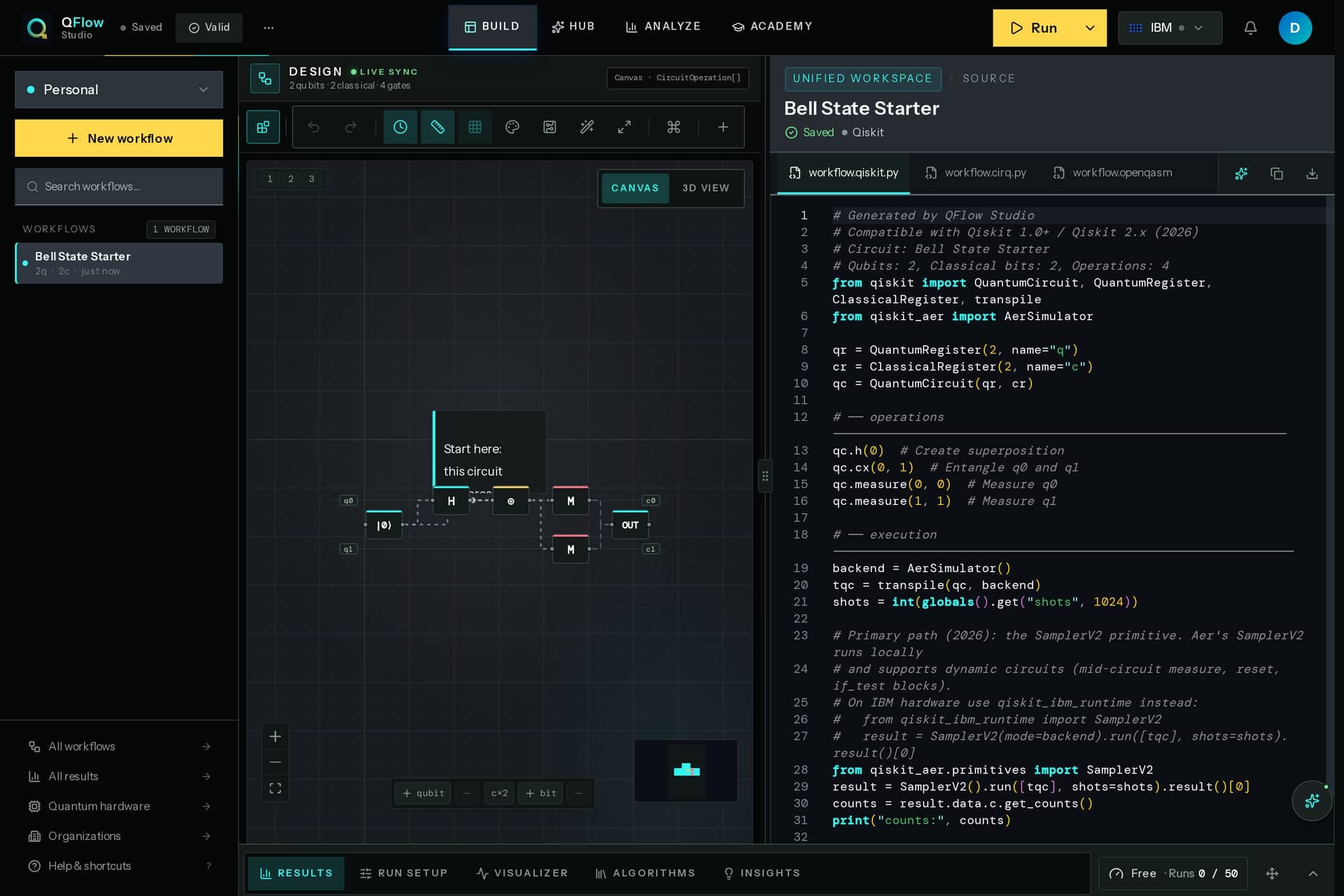
A team should leave with a compact record: the source and review date, the claim being tested, the selected provider or simulator route, the expected artifact, and the fallback if the result is weak. Those details are enough to turn reading into a repeatable experiment without copying an entire article into the workspace.
Keep credentials, provider billing state, and private notes inside the account boundary. The shareable result should explain what was tested, what changed, and what still needs review.
The next decision
Choose one action that can be checked in the next review cycle: reproduce a result, compare two routes, update a learning module, or retire an assumption that no longer matches current access. Name an owner and a review date so the source trail does not become passive background reading.
If the evidence changes route selection, cost, security, or the expected artifact, update the related workflow and reviewer packet together. If it changes none of those things, keep it as context rather than creating extra process.
Questions this guide answers
Q01
What is an Amazon Braket Hybrid Jobs workflow?
It is a managed experiment path that keeps classical code, quantum device or simulator choice, job environment, job status, outputs, and review evidence connected.
Q02
How should teams choose an Amazon Braket device?
Choose by modality, queue, availability, algorithm fit, shot budget, simulator fallback, and the evidence required for review.
Q03
What Braket evidence should QFlow keep?
Keep device choice, job ARN, environment, parameters, mitigation method, output artifacts, cost assumptions, and reviewer notes.
Next step
Turn this research into a workflow pilot.
Use the same source-to-workflow logic inside the studio: brief, route, run, evidence, and review in one packet.