Quantum RF sensing for defense 2026: field-ready evidence
A public-source guide to Rydberg RF sensing, robust quantum sensors, atomic receivers, defense caveats, lawful spectrum use, and validation evidence.
3 chapters
8 focused sections
6 sources
primary links
3 signals
operating context
754 words
reviewed analysis
Quantum RF sensing and defense content needs public-source discipline. Rydberg atom receivers, atom-based antennas, robust quantum sensors, and programs such as DARPA Quantum Apertures are real signals, but a responsible article should avoid sensitive mission guidance or interception claims. QFlow should focus on validation evidence: environment, sensor state, calibration, legal use boundary, comparison, and reviewer decision.
3 MHz-6 GHz
vendor-stated band
Infleqtion describes current Quantum Spectrum coverage with a roadmap beyond it
2
field risks
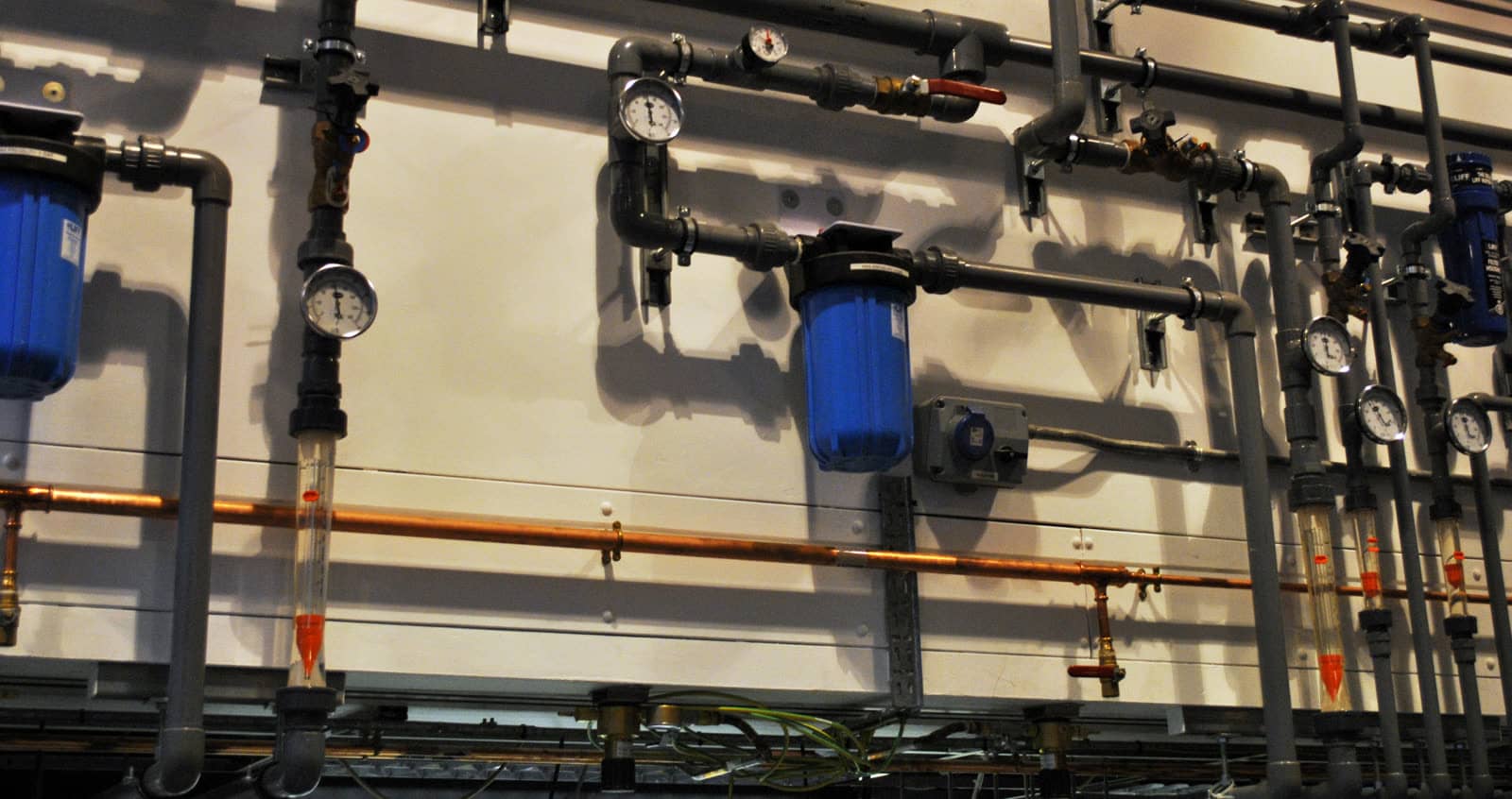
vibration and electromagnetic interference matter outside the lab
0
tactical recipes
public content avoids collection guidance and mission-specific details
Quantum RF sensing is about validation
What is quantum RF sensing in 2026? It is the use of quantum systems such as Rydberg atoms to detect or characterize electromagnetic fields. The practical question is whether a sensor works outside a controlled lab while preserving calibration, environmental context, and lawful use boundaries.
QFlow should write this as a validation article, not as a tactical guide. The product lens is evidence: what was measured, under what conditions, with which sensor state, and compared against which classical baseline.
Rydberg receivers are moving from lab demos to products
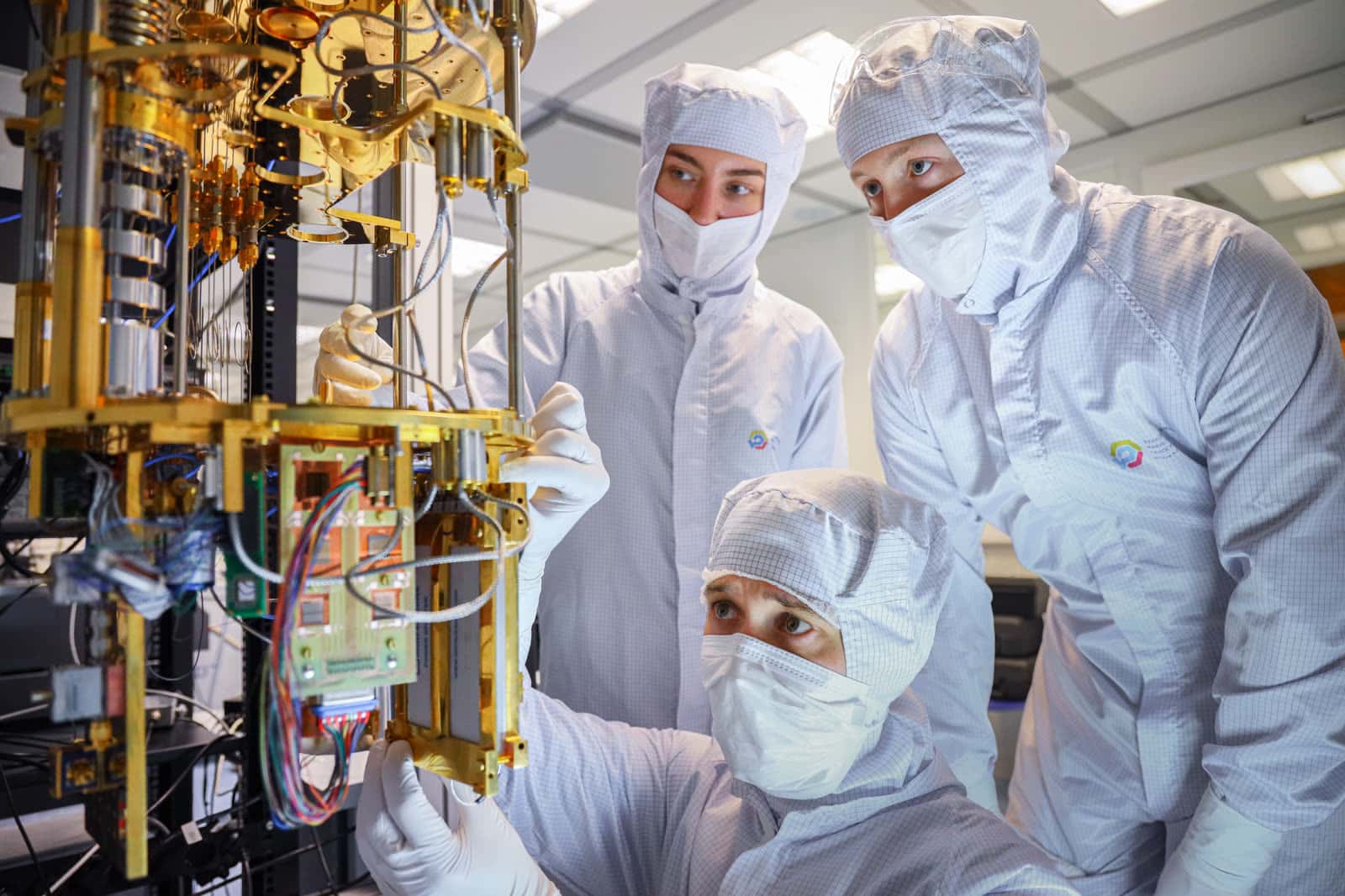
Infleqtion's Quantum Spectrum announcement and NIST's Rydberg radio work are useful 2026 signals because they make atom-based RF sensing concrete. They should still be framed as a maturity path, not as universal replacement for every antenna.
The evidence packet should capture frequency range, environment, calibration, noise, sensitivity claim, comparison method, and limitation. That keeps vendor claims and laboratory demonstrations reviewable.
Defense-safe content avoids operational recipes
Defense quantum sensing is a legitimate public topic, but the article should stay within public-release boundaries. It can discuss ruggedization, vibration, electromagnetic interference, integration, validation, and procurement evidence. It should not describe how to collect specific signals, bypass controls, or support sensitive missions.
That restraint is compatible with a strong blog post. The user gets an honest maturity map, and QFlow avoids turning public content into operational guidance.
Robustness is the field-ready bottleneck
DARPA robust quantum sensor work highlights the gap between laboratory sensitivity and platform-ready sensing. Field systems must handle thermal variation, movement, electromagnetic clutter, size, weight, power, calibration drift, and integration with classical systems.
QFlow can translate that into a validation checklist. A pilot should preserve the environment, sensor configuration, calibration method, baseline, failure mode, and reviewer conclusion.
The workflow can serve civilian and defense readers
The same evidence model helps civilian spectrum monitoring, telecom research, lab metrology, and defense-safe procurement review. It asks what was measured, how the sensor was calibrated, whether the setting was lawful, what classical baseline was used, and what decision changed.
That makes the article useful without crossing into sensitive details. It is a public-source operating guide for quantum sensing maturity.
What changes for the reader
Quantum RF sensing for defense 2026: field-ready evidence matters when it changes a decision the team can make now: which route to test, which assumption to record, which result to preserve, or which claim needs another source. The useful starting point is 3 MHz-6 GHz vendor-stated band. Treat it as a question to verify, not a conclusion to repeat.
Start with Infleqtion, compare the claim with the supporting sources, and label the boundary between current access, controlled research, and roadmap language. That keeps the article useful to technical leads and reviewers without flattening every source into the same confidence level.
Evidence to carry forward
A team should leave with a compact record: the source and review date, the claim being tested, the selected provider or simulator route, the expected artifact, and the fallback if the result is weak. Those details are enough to turn reading into a repeatable experiment without copying an entire article into the workspace.
Keep credentials, provider billing state, and private notes inside the account boundary. The shareable result should explain what was tested, what changed, and what still needs review.
The next decision
Choose one action that can be checked in the next review cycle: reproduce a result, compare two routes, update a learning module, or retire an assumption that no longer matches current access. Name an owner and a review date so the source trail does not become passive background reading.
If the evidence changes route selection, cost, security, or the expected artifact, update the related workflow and reviewer packet together. If it changes none of those things, keep it as context rather than creating extra process.
Questions this guide answers
Q01
Are Rydberg RF sensors production-ready replacements for antennas?
Not broadly. They are promising atom-based sensing systems with active product and research momentum, but deployment depends on environment, calibration, ruggedization, and use case.
Q02
How should defense quantum sensing be discussed publicly?
Discuss ruggedization, validation, procurement evidence, and public program goals while avoiding tactical collection guidance, sensitive performance thresholds, or mission-specific claims.
Q03
What evidence should a quantum RF sensing pilot keep?
Keep sensor configuration, frequency range, calibration, environment, baseline, noise context, output, lawful use boundary, limitation, and reviewer decision.
Next step
Turn this research into a workflow pilot.
Use the same source-to-workflow logic inside the studio: brief, route, run, evidence, and review in one packet.